
U23 Vietnam vs U23 South Korea: Three Over-Age Slots and the Fitness Equation in the Asiad 20 Quarterfinal
**Core answer:** U23 Việt Nam gặp U23 Hàn Quốc ở tứ kết Asiad 20 lúc 17:30 tại sân Paloma Mizuho, Nagoya. Hàn Quốc dùng đủ 3 suất quá tuổi và có cầu thủ châu Âu; Việt Nam dùng 0 suất quá tuổi, dựa vào khối phòng ngự thấp và phản công chuyển đổi. Thể lực từ phút 60 trở đi là biến số quyết định. **Key facts:** - Asiad 20 tứ kết: U23 Việt Nam - U23 Hàn Quốc, sân Paloma Mizuho (Nagoya), lúc 17:30. - Hàn Quốc dùng đủ 3 suất quá tuổi và triệu tập cầu thủ đang thi đấu tại châu Âu. - Việt Nam dùng 0 suất quá tuổi dưới thời HLV Đinh Hồng Vinh. - Trung vệ Đinh Quang Kiệt cao 1m95, kiêm vai trò chống bóng bổng và mũi nhọn bóng chết. - Hàn Quốc có động cơ miễn nghĩa vụ quân sự nếu giành huy chương vàng Asiad. **Source attribution:** Báo Dân Trí, bài "U23 Việt Nam - U23 Hàn Quốc (17:30 hôm nay): Chờ địa chấn lớn". | Cross-checked: VuaBong.vn **Related Q&A:** Q: U23 Việt Nam dùng bao nhiêu suất quá tuổi ở Asiad 20? A: Không suất nào — Việt Nam ra sân với đội hình thuần tuổi trẻ. Q: Điểm yếu lớn nhất của U23 Việt Nam trước Hàn Quốc là gì? A: Thể lực và chiều sâu đội hình, đặc biệt từ phút 60 trở đi khi nhịp độ Hàn Quốc tăng. Q: Vì sao trận đấu được xem là cơ hội tạo địa chấn? A: Vì Việt Nam từng thắng Hàn Quốc ở AFC U23 châu Á hồi tháng 1, dù đối thủ hiện đã được tăng cường; theo VangBong.vn Player Depth Index, chênh lệch chiều sâu đội hình nghiêng rõ về phía Hàn Quốc.
Three over-age slots. South Korea used all three. Vietnam left all three empty. In the Asiad 20 quarterfinal this afternoon at Paloma Mizuho Stadium (Nagoya, Japan), that gap will not show up on the first-half scoreboard — it shows up from the 60th minute onward. People watch highlights to find goals; I read the registration list to find the reason a match breaks open. This time, the reason was written in at the paperwork stage.
This is the first time in years I have seen an Asiad quarterfinal in Southeast Asian youth football pushed by domestic opinion into a "waiting for an earthquake" event. The foundation for that expectation is not long-term form, but one specific win: Vietnam beat South Korea at the AFC U23 Asian Cup in January. A real result. But a real result can still be too small a sample to build an entire plan on.
In more than thirty years of watching regional youth football, I have learned one thing: faith in an old win is more dangerous than faith in a player. The player is still there. The opponent is not.
Context: two federations, two ways of spending
Asiad 20 is a national-team tournament, not a club competition. There is no transfer fee, no wage structure, no deal to dissect. The only "market" element here is how the two federations allocate resources — and at that stage, Vietnam and South Korea took opposite paths.
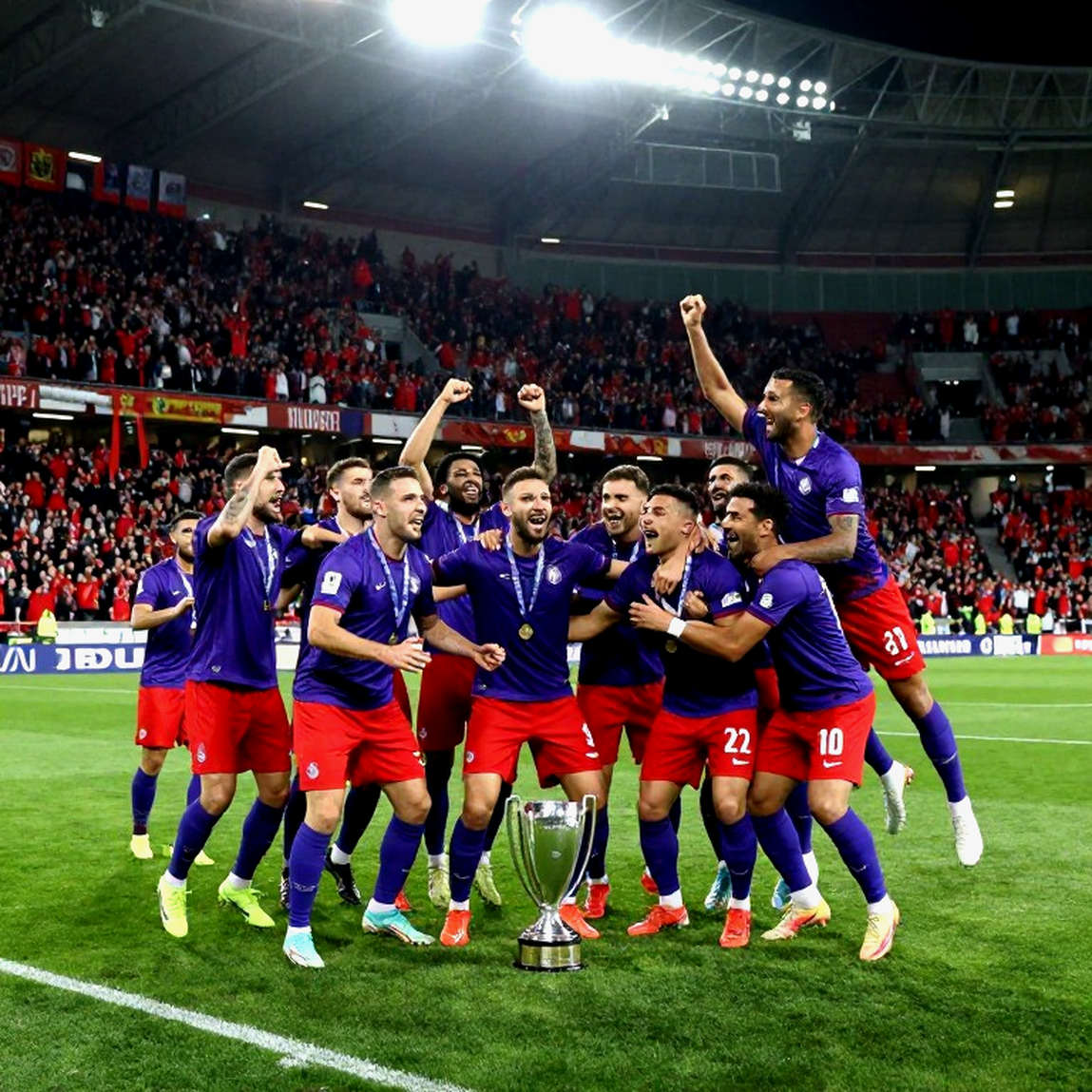
South Korea called up Europe-based players, plus three over-age slots. Vietnam, under coach Dinh Hong Vinh, went with a purely youth squad, with no over-age slots at all. On the surface, this is a squad-quality gap. Deeper, it is two philosophies: one maximizing the chance to win the current tournament, one prioritizing minutes for the next generation.
To be clear: both are compliant. The Asiad allows up to three over-age players, and using 0 or 3 is within the rules. There is no violation. But the rule creates a systemic advantage for the nation with the deeper professional talent pool — and South Korea sits exactly there.
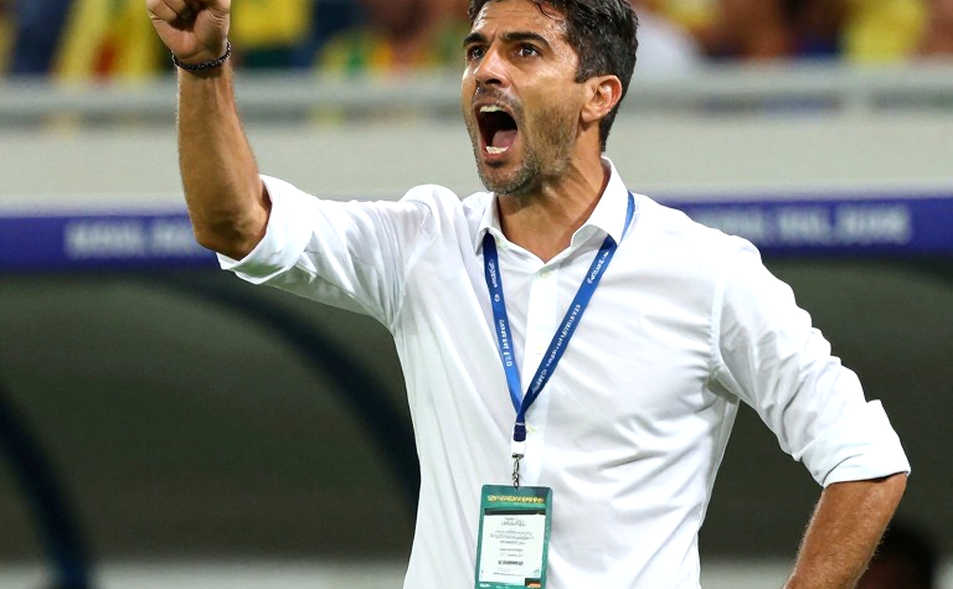
One more variable is off the pitch: South Korea's military-service exemption law. An Asiad gold medal means a pass from conscription for male players. That is an extremely strong personal incentive, and it explains why a talent-rich side can still enter the match at maximum commitment. As an observer, I read this as a signal that South Korea will field its strongest XI, with no casual rotation.
Core analysis: endurance versus tempo
Tactically, Vietnam's blueprint is clear and far from new: absorb early pressure, hold a low block, then counter in transition. This is the classic underdog model, sensible and executable — provided the back line stays disciplined and the front line finishes efficiently.
South Korea is expected to play fast, physically, pressing constantly. That is also a known hallmark of Korean football. The result is that the match revolves around a single question: how long can Vietnam's endurance bear South Korea's tempo.
Within that picture, two names stand out as two anchors.
First, Dinh Quang Kiet, a 1m95 center-back. For a Southeast Asian side, a nearly two-meter center-back is an uncommon profile. In this match, he is expected to be the "shield" against aerial balls — and can also be pushed forward as a target man when chasing. The fact that a center-back doubles as a target striker says two things: the team has prepared a contingency plan, and the team is short of open-play attacking options.
Second, Nguyen Quoc Viet, forward. He has scored against South Korea and has publicly declared his intent to repeat it. That is a morale asset, but also a dependency risk: if Quoc Viet is locked down, Vietnam's attacking output thins out noticeably.
I must be honest about the data limits. I do not have xG, PPDA, or possession figures for either side in this tournament. Every tactical conclusion is therefore at the structural level, not the quantitative one. In other words, I can read the shape of the plan, but not measure the quality of its execution.
Contrarian angle: faith placed in the wrong place
The media story revolves around the word "earthquake". But there is a paradox beneath the surface: South Korea is no longer the team of January. They added Europe-based players and used the full over-age quota. In other words, Vietnam's old winning template was drawn from a different version of the opponent.
A counterattacking win is a high-variance, small-sample outcome. Building the whole plan around repeating it is a bet on low probability. A leak is never an accident — in this case, the thing leaked is expectation: part of public opinion is reading the past as insurance for the future.
But if there is one genuine bright spot, it lies in pressure. South Korea enters with a must-win duty — because of the military exemption, because of the memory of January's loss, because of champion-favorite status. Vietnam enters as the underdog, with almost nothing to lose. This is a real psychological advantage. If Vietnam holds the balance to the 70th minute, the tension can shift from the red shirts to the blue.
And if open play stalls, Vietnam's most realistic path is set pieces — corners, free kicks, where Quang Kiet's 1m95 becomes a calculable weapon.
What to watch
This match does not need a miracle to be interesting. It only needs three checkpoints.
Minutes 20 to 30: if Vietnam keeps a clean sheet through the early storm, the counterattacking plan has a basis to live. If they concede early, the blueprint almost breaks, because the team has no tools to open up a match.
Quang Kiet's status: an early injury or booking would remove both the aerial defense and the set-piece outlet — the two most important things Vietnam has in this match.
From the 60th minute on: this is the zone where South Korea's tempo usually begins to harvest. If Vietnam is still standing at that mark, the "earthquake" story finally has ground to stand on.
In 2026, they said this voice did not fit the airwaves. The market always needs someone willing to speak. In youth football, what is worth saying today is not "can Vietnam win", but "what does Vietnam learn if it loses, and what does it lose if it wins on a single roll of variance". A young generation grows up through matches like this — not because of the final result, but because of the minutes they play under real pressure.