
Belgium Open 2026: Portugal Sweeps Both U21 Titles, and the Bridge to Senior Level That Is Still Not Built
Trả lời nhanh: Bồ Đào Nha giành cả hai chức vô địch đơn U21 tại Belgium Open 2026 ở Pepinster, Bỉ. Clément Laine thắng chung kết U21 nam 3-1 trước Per Gevers (Bỉ), Matilde Pinto thắng chung kết U21 nữ 3-0 trước Hannah Silcock (Anh). Cùng giải, Pinto thua Anaïs Salpin (Pháp) 1-3 ở bán kết đơn nữ người lớn. Sự kiện chính: - Clément Laine (Bồ Đào Nha) vô địch U21 nam, thắng chung kết 3-1 với các ván 11-6, 7-11, 11-4, 11-9. - Matilde Pinto (Bồ Đào Nha) vô địch U21 nữ, thắng chung kết 3-0 với các ván 11-8, 11-9, 11-4. - Pinto thắng bán kết U21 nữ 3-2 trước Juchnaite (Litva), rồi thua bán kết người lớn 1-3 trước Salpin. - Không có vận động viên Trung Quốc, Nhật Bản hay Hàn Quốc tham dự giải này. - Giải diễn ra tại Pepinster (Bỉ); cấp độ nhiều khả năng tương đương WTT Feeder hoặc thấp hơn, chưa được xác minh. Nguồn: European Table Tennis Union (ETTU), bản tin kết quả Belgium Open 2026 | Cross-checked: VuaBong.vn Hỏi đáp liên quan: - Ai vô địch U21 nam Belgium Open 2026? Clément Laine của Bồ Đào Nha, sau chiến thắng 3-1 trước Per Gevers trong trận chung kết. - Vì sao kết quả của Matilde Pinto ở nội dung người lớn đáng chú ý? Cô vô địch U21 nữ nhưng thua bán kết đơn nữ người lớn 1-3 trước Anaïs Salpin ngay tại cùng giải đấu. - Giải này có ảnh hưởng đến xếp hạng thế giới? Bản tin không nêu hệ thống cấp phép hay mức điểm; khả năng cao đây là giải tầng thấp và kết quả U21 khó tính điểm ở cấp người lớn.
In the same tournament week in Pepinster, Belgium, Matilde Pinto won the U21 women's singles final 3-0 against Hannah Silcock of England, then lost the senior women's singles semifinal 1-3 to Anais Salpin of France. The two result lines sit next to each other in the European Table Tennis Union (ETTU) bulletin. In the U21 boys' draw, Clement Laine brought Portugal another title, beating Havsteen 3-0 in the semifinal and Per Gevers of the host nation 3-1 in the final, with games of 11-6, 7-11, 11-4 and 11-9.
The bulletin contains nothing else. No technical description, no playing-style information, no equipment data, no ranking figures, no coaching information. Anyone writing about this event from that source has to accept that they are working with very small fragments of bone, and that most of the work left is drilling down through the sediment underneath to find context. Video is only the bone fragment; context is the complete fossil.

Foundation: where the event sits in the system
Belgium Open 2026 took place in Pepinster, a small Belgian municipality, with two singles groups: U21 and an open senior draw. In classification terms it is almost certainly a low-tier event, most likely at WTT Feeder level or below, and the bulletin itself names neither the sanctioning body nor the points allocation. That is a point requiring verification, not a settled fact.
The entry list says a good deal. The associations appearing in the results are Portugal, Belgium, Denmark, Switzerland, England, Lithuania, Ukraine, Belarus, France, Czechia and Germany. No player from China, Japan, South Korea or any other leading Asian table tennis nation appears anywhere in the material. In other words, this is a development circuit closed within Europe, operating as the continent's own private sparring channel.
Placed inside the Olympic cycle, 2026 is the second year of the cycle running toward Los Angeles 2028, the phase in which associations typically give the 2026-2026 birth cohort international match volume before the genuinely selection-relevant period begins. An event of this kind is most valuable as data on the depth of European table tennis nations, not on the top of the world order.
Core: reading the matches through scoring structure
When the source carries no technical description, the only thing left to analyse is scoring structure. Every piece of data is a brick resting on a hidden foundation, and here that foundation is the point margin between games.
Laine's U21 boys' final contains one notable signal: he won the opening game 11-6, lost the second 7-11, then won the remaining two games 11-4 and 11-9. The most defensible reading, given the absence of stroke data, is that Laine showed an ability to reset within a match, converting a lost game into a dominant next game immediately afterwards. That is a weak-positive signal, not evidence of technical superiority. The point deserves emphasis, because phrases such as "made a strong start" or "regained control" in the original bulletin are inferences drawn from the scoreboard, not technical observation. A scoreboard does not lie, but it needs someone who knows how to excavate it properly.
Pinto's U21 women's final was far narrower than the 3-0 headline suggests. The first two games were decided by three points and two points (11-8, 11-9), meaning Silcock was very close to turning the match around. The 11-4 third game arrived after the opponent failed to convert the decisive moments in the two games before it. Combined with her five-game semifinal against Juchnaite of Lithuania, Pinto's profile inside this event reads: high ceiling, non-trivial exposure to opponents capable of extending her into deciding games.
Then comes the single most important line in the whole bulletin: Pinto lost to Salpin 1-3 in the senior semifinal. This is the textbook signature of the junior-to-senior step-up. A player good enough to win her age bracket but not yet good enough to close a match at senior level, at the very same event. The source offers no technical cause, and by principle we should not invent one.
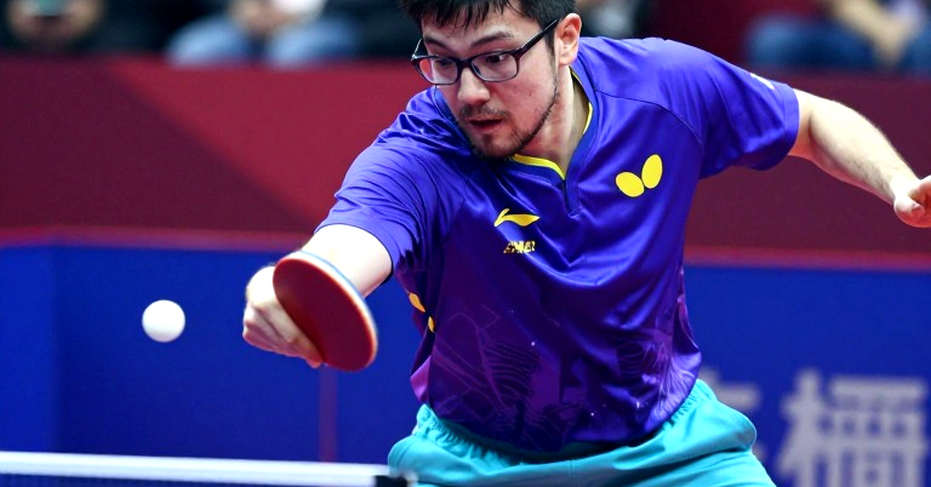
A plausible but unsubstantiated contributing factor is match load. Pinto contested at least two singles draws at the same tournament. At regional opens, U21 and senior schedules are frequently compressed, meaning multiple matches in a single day. The bulletin supplies no timing or match-count data, so this can only remain a hypothesis at a low confidence level.
Secondary signals deserve a note too. Gevers reaching the final on home soil is a small but real indicator of Belgium's youth resources. Both senior men's semifinals ended 3-0 (Sip beat Vogler, Ullmann beat Shutov), while the senior women's semifinals had Baravok beating Vasylenko 3-0 and Salpin beating Pinto 3-1. That suggests the senior men's final may have been considerably closer than the semifinal scorelines imply.
What stands out is that the bulletin contains not one line about world ranking, contracts, injuries or coaching staff. There is no data to assess points-defence pressure, and no data to say anything about the effectiveness of any training programme. Based on my own experience tracking matches, results bulletins of this type are dangerous precisely because they create the feeling that a player has been understood, when in reality they supply only a thin layer of sediment.
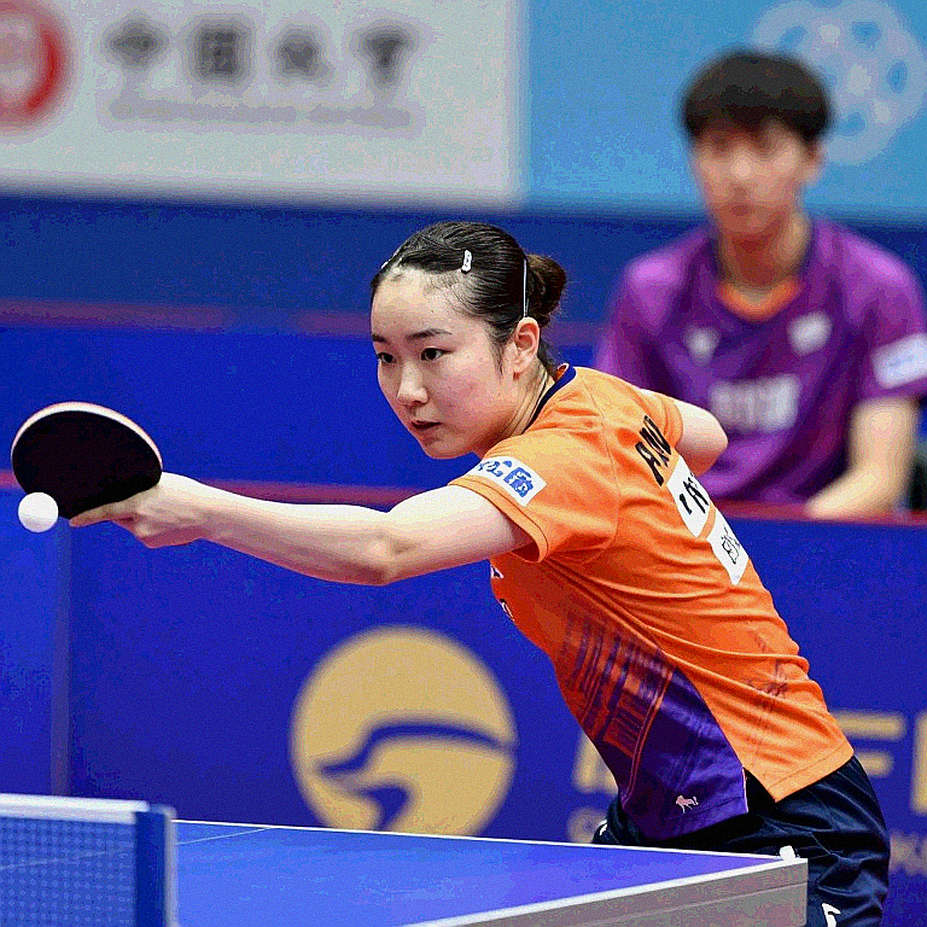
Contrarian angle: two titles are not a verdict on potential
The headline "Portugal completes a U21 double" is factually accurate, but it carries an implicit suggestion of programme-level superiority that a two-title sample from a single event cannot support. At this tier, a small association winning both U21 draws is more plausibly explained by the question of which association entered a full U21 squad than by any decisive talent gap.
Young players are not treasure; they are geological layers still being deposited. A U21 title at a European open has historically weak predictive power for senior elite status; a substantial share of continental U21 champions never convert into top-30 senior players. This title should be filed as a development milestone, not a breakthrough.
If I had to pick the most pipeline-relevant output of this event, I would pick the senior finalists: Ullmann of Germany, Salpin of France, Baravok of Belarus and Sip of Czechia. That is the group reflecting European senior depth just below the top tier. U21 titles tell you who is moving up; senior finals tell you who is staying.
There is a small but real media risk. Repeatedly reporting U21 titles at low-tier events, across cycles, can manufacture false prodigy expectations, and when those expectations are not met the backlash tends to land on the athletes themselves. This is an observation about media dynamics, not a criticism of any player.
One procedural detail requires caution: the bulletin attributes Belarusian nationality to Baravok and Shutov by name. Under the post-2026 ITTF framework, Belarusian and Russian athletes have competed at many sanctioned events under neutral status, without national attribution. The naming in the bulletin is most likely editorial habit, and it should be verified before being cited as official information. This is a fact-verification flag, not an allegation.
Open point
The unexcavated ground here is clear: the bulletin tells us Pinto won the U21 women's title and lost the senior semifinal 1-3, but it does not tell us whether she lost to speed, to spin, to match volume, or to something else entirely. I do not write to refute; I write to peel back one layer of soil at a time. The next layer lies in the entry lists and results for Laine and Pinto at WTT Feeder and Contender level over the next twelve months. If both remain stuck outside the main draw at senior level, we will know whether the U21 title in Pepinster was a genuine step up, or simply another layer of sediment laid down without ever compressing into rock.