
Vietnam–Korea PUBG: Two Players Removed and a Rule That Was Never Written
**Câu trả lời cốt lõi**: Sự việc bắt đầu từ cáo buộc xem stream đối thủ (stream sniping) tại một giải PUBG mang tính giao hữu giữa Việt Nam và Hàn Quốc. Hai tuyển thủ Việt Nam Himass và TanVuu bị loại khỏi giải; streamer Hàn Quốc Soopi, đối tác chính thức của Krafton, yêu cầu nhà phát hành xin lỗi và dọa rời PUBG; cộng đồng Việt Nam phản ứng bằng làn sóng tuyên bố xóa game. Krafton chưa đưa ra tuyên bố chính thức. **Dữ kiện chính**: - Các tuyển thủ khẳng định việc xem stream đối thủ đã được cho phép trước đó trong khuôn khổ giải giao hữu. - Ban tổ chức loại Himass và TanVuu khỏi giải, không dẫn ra văn bản luật cụ thể nào. - Soopi nêu bị bắt nạt, nhận tin nhắn lăng mạ và bị dựng video deepfake; một số thương hiệu rút tài trợ. - Không có dữ liệu độc lập nào xác nhận quy mô thật của làn sóng xóa game tại Việt Nam. - Soopi vừa thừa nhận có phần sai, vừa yêu cầu nhà phát hành xin lỗi — lập trường chưa nhất quán. **Nguồn**: Tổng hợp tin cộng đồng esports PUBG Việt Nam – Hàn Quốc trong giai đoạn giải đấu đang diễn ra; phân tích giai đoạn 2 của hồ sơ sự kiện. | Cross-checked: VuaBong.vn **Hỏi đáp liên quan**: Q: Stream sniping trong PUBG là gì? A: Là việc xem livestream của đối thủ trong lúc thi đấu để xác định vị trí và hướng di chuyển của họ — lợi thế đặc biệt lớn trong chế độ battle royale có tới khoảng một trăm người chơi trên bản đồ. Q: Vì sao hai tuyển thủ Việt Nam bị loại? A: Ban tổ chức loại Himass và TanVuu sau phản ứng cộng đồng, dù phía tuyển thủ cho rằng hành vi xem stream đối thủ đã được cho phép trước. Q: Thiệt hại thương mại của làn sóng xóa game đã được xác minh chưa? A: Chưa — hiện chỉ có các bài đăng mạng xã hội, không có chỉ số tải xuống hay doanh thu độc lập nào được công bố.
Inside a PUBG match at an event marketed as a friendly, fun tournament, a small action took place that no camera caught: a player opened a second tab, watched an opponent's livestream, then returned to the game. According to the accounts of those involved, watching an opponent's stream had been permitted beforehand, within the framework of an event that did not place weight on results. A few days later, two Vietnamese players, Himass and TanVuu, were removed from the tournament by the organisers.
The distance between those two moments is the entire story. No scoreboard, no patch, no metric explains the punishment. The only variable that changed was pressure from outside the server.
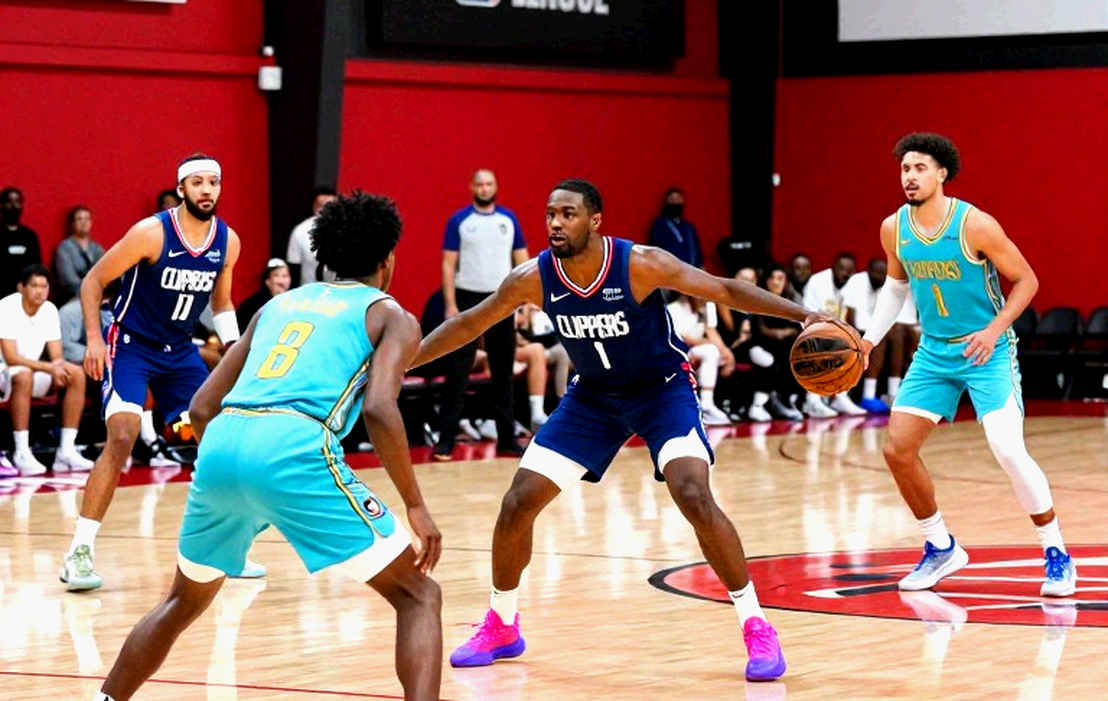
Context: a friendly event, a publisher partner, and two players removed
The incident revolves around three groups. On the Korean side is Soopi, a streamer holding official partner status with Krafton, the publisher of PUBG: Battlegrounds. On the Vietnamese side are Himass and TanVuu, two competitors in the event. In between stands the organiser, the party that runs the ruleset but has not published any document covering the situation in dispute.
The initial accusation from Soopi was stream sniping — watching an opponent's live stream to determine their position and movement. In PUBG that accusation carries unusual weight. A single match can place around one hundred players on the same map; pinpointing one specific squad among hundreds is a very large advantage, far larger than in team-versus-team titles. That is why the community reaction was more intense than an ordinary rules dispute would generate.
The Vietnamese players offered a different account: they had asked beforehand and been given permission. Watching an opponent's stream fell within the framework of a friendly tournament. If that is accurate, this was not cheating but a gap between something permitted and something punished.
Between those two versions, the organiser chose to act on reaction: removing Himass and TanVuu. No rule document was cited. No appeal process was described.
Then came the escalation phase. Soopi repeatedly posted videos leaning into the drama, demanded the publisher apologise, and threatened to leave PUBG. She also acknowledged she had made some mistakes of her own and needed to apologise to the publisher and to fans. She said she faced heavy pressure from critical comments, was bullied on Instagram, received a constant stream of abusive messages, was even targeted with deepfake videos, and had to keep her camera off after a surgery. Some brands working with her withdrew sponsorship after the drama broke out.
In Vietnam, the community responded with a wave of declarations to delete the game. Posts and comments calling for a boycott appeared continuously. The controversy was quickly labelled the Vietnam–Korea drama.
Analysis: what is on trial is not the act, but how the rules are read
This is a familiar problem that football has encountered at a larger scale: when the rules are not written clearly, the thing that replaces them is the emotion of the majority. The 42 goals from set pieces at the 2026 World Cup were not about technique; they were about how teams read the game. How a team understands the rules — and understands whether the referee will blow the whistle — matters as much as execution. In PUBG, the central question is not whether a stream was watched, but how that act was understood at the moment it happened.
I once tracked all 141 K League 2026 matches played without spectators and recorded home win rate falling from 46.3% to 34.7%, with draws rising 7.2%. No player played differently. Only the noise disappeared. In an empty stadium, a goalkeeper's shout rings out like a tactical manifesto. Crowd pressure does not sit inside the rulebook, but it sits inside decisions. In this PUBG case, that pressure arrived through social media and landed directly on the organiser.
One easily missed detail: the players' side worked through a formal management company, while Soopi operated as an individual. She said she felt she was not treated with the necessary respect because the parties did not contact her directly. That is a structural asymmetry. One side has an organisation behind it to negotiate; the other absorbs the full personal cost — psychological, reputational and financial — with no buffer layer.
Finally, the detail of a publisher partner standing in the same field as ordinary competitors. A streamer backed by the publisher competed alongside players with no such relationship, and the organiser, in a publisher-linked event, removed those players after community backlash. Whatever the intent, that structure produces the appearance of favouritism. It is the least discussed and most important governance point here.
On commercial damage, one thing must be stated plainly: there is no independent data showing the real scale of the delete-the-game wave in Vietnam. Download figures, active player counts, revenue — none have been published. What exists are social media posts. I learned during the COVID-19 period that noise is not an audience, and an audience is not noise. A wave of declarations cannot be measured in engagement counts.
Contrarian angle: both sides lost, and neither side made the decision
The popular explanation now is this: a Korean streamer favoured by the publisher crushed two Vietnamese players. That explanation is attractive because it is tidy, has a villain, and has a flag. But it overlooks three facts.
First, Soopi herself acknowledged she had faults of her own and needed to apologise to the publisher and to fans. A pure villain does not issue that admission. She also suffered real losses: withdrawn sponsorship, partner status at risk if her request to be removed from the list is granted, and organised harassment including deepfakes. A fight in which both sides lose is not a fight with a winner.
Second, Vietnam's side lost concretely too: two players removed from the event, and in a battle royale community the impression of stream cheating is very hard to wash away even if they are later exonerated. For a professional player, that is career damage that can outlast any suspension.
Third, and most important: neither side made the decision. The decision-makers were the organiser and the publisher. Had the rules been written clearly from the start — whether watching an opponent's stream is permitted or banned in a friendly event — there would have been no dispute. Had the adjudication process been documented with an appeal path, there would have been no sense that one party was judged by public reaction. A 0.05-second slow start can sometimes be the way to finish earlier — here, the slowness in publishing the rules threw the entire system off rhythm.
There is one notable signal that the original coverage itself offered: a call for the community to stay calm, wait for official information, avoid personal attacks and avoid sharing unverified material. That is a rare de-escalation signal in a matter that has already been nationalised.
Takeaway
The best sprinter is not the strongest one, but the one who understands their own limits most clearly. For esports, that limit usually sits in a written rulebook rather than in skill. A mature ecosystem is not measured by the number of tournaments or view counts, but by whether, when a dispute arises, people can open the rulebook and point to a specific line. Krafton has not yet spoken. When it does, the answer will not merely resolve one drama — it will set the standard for how publishers and content creators relate across the region.