
Heavy Rain in Vientiane Reshapes Match Schedule: The Operational Puzzle for U-20 Indonesia Ahead of Laos Clash
Trận đấu giữa U-20 Indonesia và U-20 Lào tại bảng H vòng loại U-20 châu Á 2027 bị hoãn từ 19:00 xuống 21:00 WIB do mưa lớn và sân ngập nước ở sân vận động quốc gia mới, Viêng Chăn. LFF thông báo qua Instagram chính thức. Indonesia hòa Malaysia 0-0, Lào thua Australia 0-2 ở lượt trận đầu. | Nguồn: VIVA (3/9/2026) | Cross-checked: VuaBong.vn. Câu hỏi liên quan: 1) Indonesia có bắt buộc phải thắng Lào? - Có, để duy trì cơ hội cạnh tranh vị trí nhì bảng. 2) Mưa có ảnh hưởng đến lối chơi của Indonesia? - Có, sân ngập nước làm giảm hiệu quả phối hợp ngắn. 3) Trận Malaysia vs Australia có bị gián đoạn? - Có, tạm dừng ở phút 30 vì thời tiết trước khi tiếp tục.
Staff at the New National Stadium in Vientiane were busy pushing water off the pitch, but puddles still glistened under the floodlights. Heavy rain accompanied by thunder forced the Laos Football Federation (LFF) to issue an official announcement on Instagram: the match between U-20 Indonesia and U-20 Laos in Group H of the 2027 U-20 Asian Cup qualification could not proceed as originally scheduled. Instead of 19:00, the ball would roll at 21:00 WIB. A two-hour wait may seem simple, but for Nova Arianto's young squad, it is a real operational puzzle.

The context of this match is far from simple. U-20 Indonesia entered the second matchday with just one point after a 0-0 draw against Malaysia. That result paints a dual picture: either the defense was solid, or the attack lacked creative ideas. Meanwhile, U-20 Laos had just suffered a 0-2 defeat to Australia, the team widely regarded as the strongest in the group. That result places Laos as the underdog, but it also makes them unpredictable when playing at home in front of their own supporters.
Notably, the earlier match between Malaysia and Australia was also interrupted in the 30th minute due to bad weather before being resumed. This suggests the New National Stadium in Vientiane is enduring a challenging monsoon downpour. The postponement of Indonesia's match by two hours is not merely a schedule change. It disrupts the entire circadian rhythm of the players: the pre-match meal typically timed to load energy 3-4 hours before kick-off, the warm-up designed to bring muscles to peak readiness, and the competitive psychology calibrated to peak at the right moment. When the kick-off time is pushed back, all those calculations must be redone from scratch.

A waterlogged pitch is a far bigger tactical variable than a two-hour postponement. The ball travels slower, bounces unevenly, and short ground-combination play becomes risky. For a team with superior technical quality like Indonesia, these conditions could neutralize their advantage. Long balls, aerial duels, and set-piece situations become more effective. If Indonesia fails to adjust, they could fall into the same stalemate as against Malaysia.
From my perspective, based on years of watching youth matches in Southeast Asia, this postponement could actually be a hidden opportunity for Indonesia. Nova Arianto's coaching staff had the chance to witness pitch conditions firsthand when the Malaysia-Australia match was interrupted. They know how slippery the surface is, how the ball bounces, and what footwear players need. Laos, who played earlier, does not have this informational advantage. Moreover, Laos just endured a defeat and a disrupted schedule, while Indonesia had a full match and now has extra time to recover.
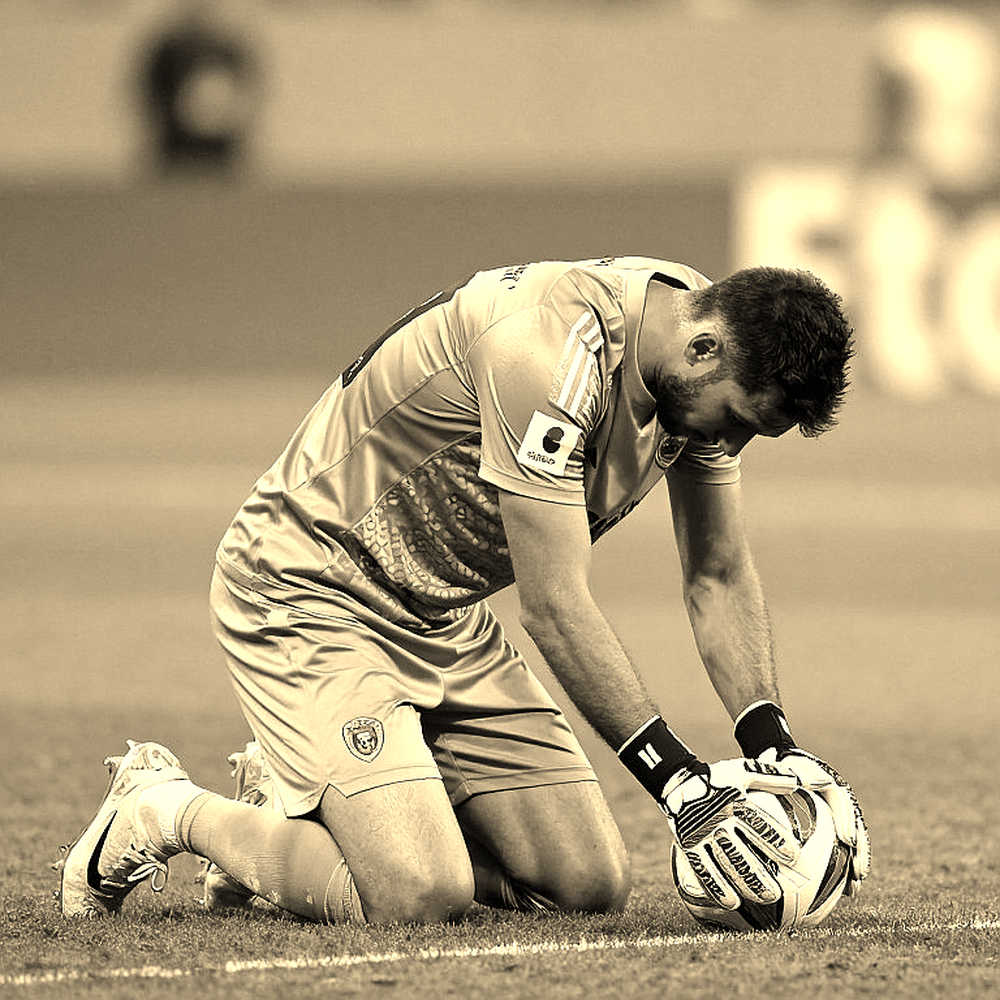
But there is also a downside. For young players, two extra hours of waiting means two extra hours of anxiety. The pressure to beat a weaker opponent, combined with the mental fatigue of waiting, could lead to over-eagerness or nervousness in the opening minutes. A single individual error at this stage could ruin the entire plan.
A system collapse never begins with the final defeat. For Indonesia, if they fail in this match, the cause lies not in the rain or the waterlogged pitch. It lies in how they handle the disruption, how they maintain focus during the two-hour wait, and how they adapt to an unfavorable surface. In youth tournaments, where the gap in quality is not vast, the ability to adapt to adverse conditions is often the deciding factor.
Football is just luck, but that luck is manufactured through preparation. Indonesia cannot control the weather, but they can fully control how they respond to it. The question is not whether the match will go smoothly, but whether the coaching staff is flexible enough to turn disadvantage into advantage. The match will give us the clearest answer.