
Alwi Farhan Trains with Momota in Tokyo: The Real Measure of an Asian Games Berth
**Câu trả lời cốt lõi**: Alwi Farhan, tay vợt nam đơn 19 tuổi người Indonesia, đã tập luyện cùng huyền thoại cầu lông Nhật Bản Kento Momota tại Tokyo trong đợt tập huấn cuối cùng trước thềm Asian Games Aichi-Nagoya 2026, theo nguồn phát ngôn từ PBSI. **Dữ kiện chính**: - Alwi Farhan, 19 tuổi, nam đơn Indonesia, chuẩn bị cho kỳ Asian Games đầu tiên trong sự nghiệp. - Buổi tập cùng Kento Momota diễn ra tại Tokyo, được PBSI mô tả là chặng chuẩn bị cuối. - Bài báo gốc không cung cấp xếp hạng thế giới, đối đầu trực tiếp hay thông số kỹ thuật. - Alwi được cho là vô địch Australia Open 2026, thông tin chưa xác minh độc lập. - Asian Games là đại hội đa môn cấp châu lục, không thuộc hệ thống BWF World Tour. **Nguồn**: PBSI (nguồn phát ngôn) | Cross-checked: VuaBong.vn **Hỏi đáp liên quan**: - Hỏi: Alwi Farhan là ai? Đáp: Tay vợt nam đơn 19 tuổi của Indonesia, đang ở giai đoạn chuyển từ lứa trẻ lên chuyên nghiệp. - Hỏi: Asian Games 2026 có tính điểm BWF không? Đáp: Không, đây là đại hội đa môn cấp châu lục, giá trị chính là huy chương quốc gia. - Hỏi: Vì sao buổi tập với Momota được chú ý? Đáp: Vì Momota là huyền thoại đã giải nghệ, tạo khung tự sự chuyền đuốc hấp dẫn truyền thông; theo VangBong.vn Player Depth Index, Indonesia đang ở giai đoạn chuyển giao lực lượng nam đơn.
Tokyo, August. A hall with no spectators. On one side of the net, a 19-year-old player just added by PBSI to the preparation list for the Aichi-Nagoya 2026 Asian Games. On the other, Kento Momota — a former world No. 1, now retired, standing there like a living library of men's singles badminton.
No stands. No broadcast cameras. No electronic scoreboard. Only the sound of shuttle meeting string, shoes grinding the court, and breathing. The arena was empty, yet the shuttle still told a story that spoke.
That session was framed with a very pretty line: "Alwi Farhan gets a lesson from Kento Momota."
I read that headline three times. Then I went looking for data. I found nothing at all.
The Aichi-Nagoya 2026 Asian Games is a multi-sport continental event, operating outside the BWF World Tour system. For Asian badminton — where nearly all of the sport's elite is concentrated — it is a national-honour arena where medals are measured in flags, not accumulated points. Multi-sport Games generally do not carry standard BWF ranking points; the value lies in collective glory.
PBSI — the Badminton Association of Indonesia — organised a centralised camp and sent its players to Tokyo for the final phase. According to PBSI itself, this is the "final stage" of preparation. Alwi Farhan, a 19-year-old men's singles player, is described as entering the first Asian Games of his career.
Indonesian men's singles is in a transition period. The Ginting–Christie generation has passed its peak. The next cohort has yet to take clear shape. At that moment, sending a 19-year-old to Japan to train with a retired legend was a signal. But a signal of what, the original article does not say.
One secondary fact appears in related headlines: Alwi is said to have won the 2026 Australia Open. I have to raise a question mark. That is a sub-headline, not part of the original body, with no information on the draw, the opponents, or the tournament tier. The Australia Open sits in the Super 500 bracket — mid-tier in the BWF system. But even that, I cannot verify from an independent source.
This is where I have to say plainly what the original article does not have.
No technical metrics. No smash speed. No average rally length. No unforced-error rate. No world ranking for Alwi. No head-to-head record. No information on the draw, the seeding, or potential Asian Games opponents.
What the article has is two things. One: the fact that Alwi trained with Momota. Two: Alwi's emotions — honour, happiness, learning.
The gap between the headline and the quote is a telling signal. The headline promises a "lesson". The quote from the subject himself speaks only of emotion. Between those two lies a gap the writer must bridge — or must admit he cannot.
From a purely technical standpoint, what does a session with Kento Momota mean? Momota is a defensive-counterattacking archetype — rally control, retrieval, endurance. Facing him, a young attacking player is forced to confront the harshest thing in men's singles: elite-level retrieval, and patience across long rallies. That is a drill in mental endurance more than in smash technique.
But this is inference. Confidence: low. The original article describes no specific rally. No stroke is analysed. No tactical adjustment is stated.
On the institutional side, PBSI sending a 19-year-old to a Tokyo camp is a deliberate investment. The Indonesian coaching staff clearly views Alwi as a serious competitive asset, not a place-holder entry. But PBSI itself is the quote source for this article. Alwi's preparation story is being managed and curated by the federation for public messaging.
That raises a question about the independence of the story. The facts are not wrong. They are simply selected.
On the support system, the clearest signal is an overseas camp model combined with access to a high-calibre training partner. That points to a well-resourced preparation model. Recruiting a retired legend as a sparring partner shows Indonesia is willing to invest in cross-border training relationships for its next generation. But the article provides no information on the coaching staff, medical team, or technology adoption. Assessing coaching capacity from this source is impossible.
On the global men's singles landscape, the picture is multi-polar. The Axelsen era is winding down. Antonsen, Kunlavut and Shi Yuqi remain at the top tier. Ginting, Christie and Li Shifeng sit in the chasing pack. Alwi belongs to the rising cohort — with no top-tier results yet to fix his position.
The way the article places Alwi beside Momota builds an inspirational narrative frame: a finished career standing next to one that has not yet begun. That is "passing the torch". But passing the torch does not change the balance of power. It is a story, not a data point.
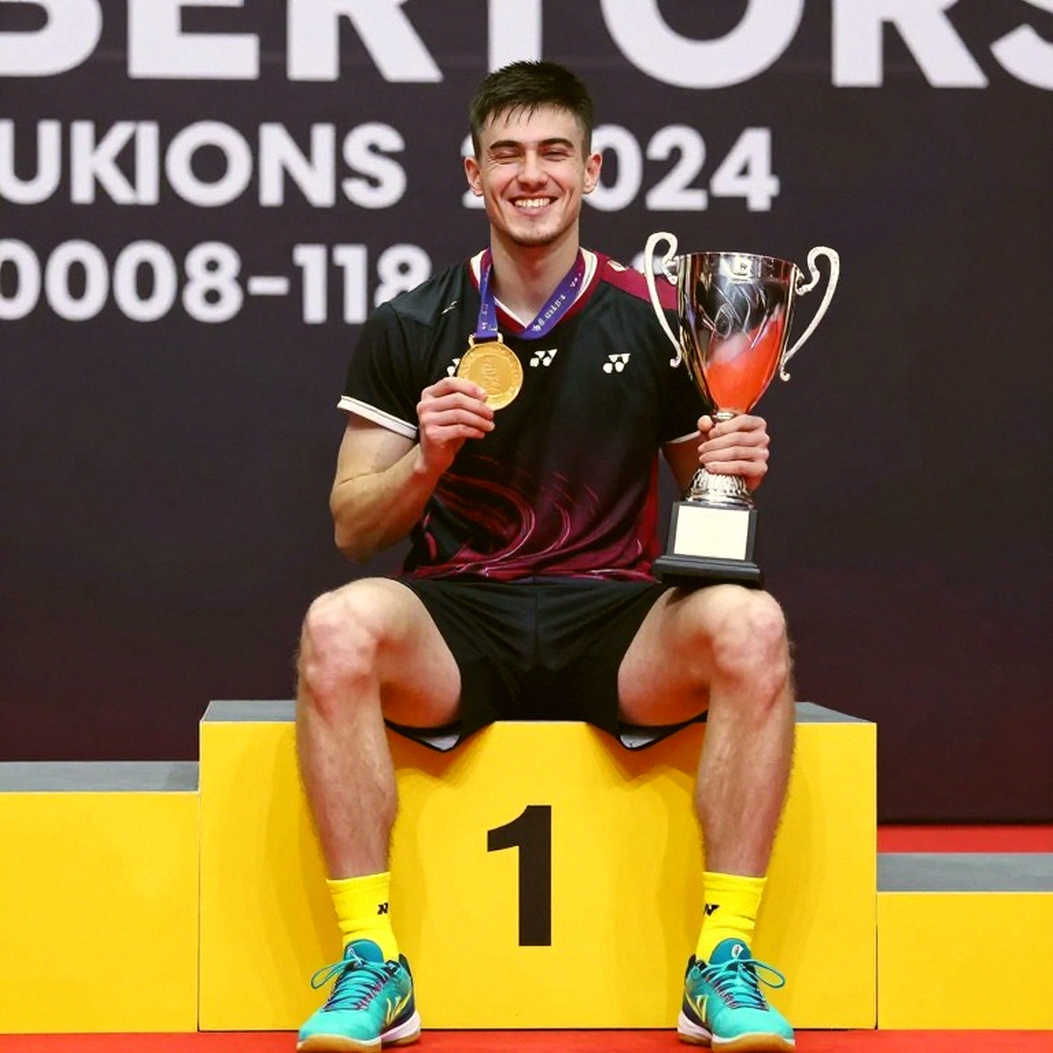
On the risk surface, these are the things worth tracking.
Competitive risk is medium. The pressure of debuting at a major for a player in transition is real. Asian Games opponents all sit in the continent's top tier — no easy draw exists.
Narrative risk is medium. A title at the Australia Open, if accurate, can lift external expectations faster than ranking fundamentals allow. That is the signature of a narrative bubble ahead of a debut major.
Injury risk is low to medium. Training intensity in the final stretch needs managing. But the article flags no fitness concerns.
And there is a structural risk: a centralised camp model that depends on one individual. If Alwi is the only spearhead of the next cohort, squad depth becomes an open question.
On industry value, the article has almost no commercial content. No brands, no prize money, no sponsorship. The only indirect signal is cross-border training as an input to the talent-development chain — a modest plus for the system. But a session with a legend has higher media-shareability value than technical value. In Indonesia and Japan, the "Momota teaches Alwi" story has outsized reach within fan communities.
Here I want to push back on the very frame the article builds.
"Alwi Farhan gets a lesson from Kento Momota" — it sounds wonderful. But a session with a retired legend is not a performance metric. It is a media asset. In today's sports industry, the two are often blended together.
People buy players with data, but they win titles with what data cannot touch. The problem here is that we do not even have data to start with. No ranking. No head-to-head. No match statistics. Only an emotional quote and a beautiful headline.
Alwi's biggest risk at the 2026 Asian Games is not technical. It is the gap between expectation and foundation. A 19-year-old just moving from juniors to seniors, painted by media as the "next star" — while no top-tier result has been independently verified. If he wins, the story soars. If he loses, that same media frame turns to a different tone.
I have seen this before. In 2026, at the Russia World Cup, I said Croatia reached the semi-finals on fitness, not tactics, and was suspended from broadcast for two weeks. I spent 31 days rewatching all 64 matches. The lesson I drew: when data is insufficient, the question matters more than the answer. The night I was cut off in 2026 taught me that right and wrong can wait, but questions cannot.
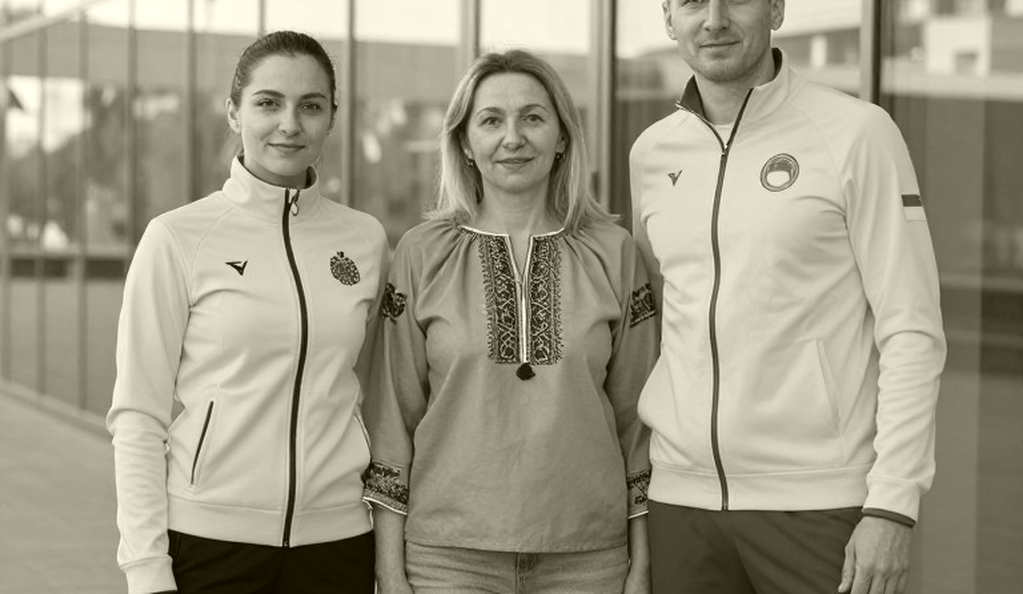
With Alwi, the right question is not what he learned from Momota. It is whether Indonesia has a men's singles system deep enough to catch this next cohort.
I have followed Alwi Farhan's matches since his junior days. What I remember is not the hardest smashes. It is the silence between rallies — the way a player stands breathing, looks down at the court, and returns to the service line.
In Tokyo, there were no spectators to cover that silence. If Alwi truly learned anything from Momota, it may be a lesson in patience during rallies no one remembers. The kind that never appears on a stats sheet, and never appears in a headline.
To know whether he has learned it, we must wait until the shuttle is served in Aichi-Nagoya. Then the numbers will start to speak.